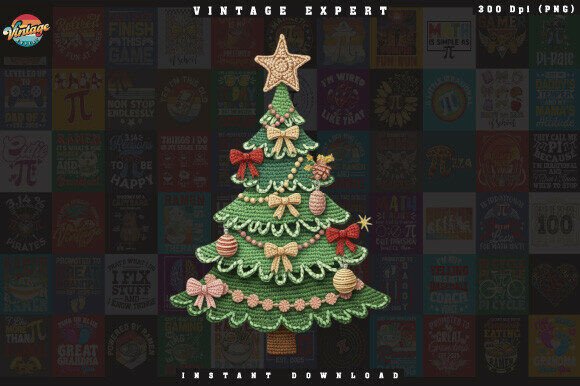
Reviewing the Winter Christmas Tree Yarn Crochet PNG
As a designer who spends half my life staring at digitized files and the other half watching needles punch through fabric, I have developed a keen eye for what translates well from screen to stitch. When I first opened the Winter Christmas Tree Yarn Crochet PNG, my initial reaction was not just about the aesthetic appeal, but about its structural integrity for embroidery. This is not merely a graphic; it is a potential asset for holiday collections, and understanding how it behaves under the needle is crucial for any serious craft business.
First Impressions and Visual Mood
The design immediately evokes a sense of cozy nostalgia. The interplay between the rigid structure of a Christmas tree and the soft, looping texture implied by the yarn crochet style creates a unique visual tension. For those of us in the Illustrations category, this hybrid approach is refreshing. It does not look like a standard vector clip art piece; it has depth. The mood is warm, inviting, and distinctly handmade, which aligns perfectly with current consumer trends favoring artisanal quality over mass-produced perfection.
However, a pretty picture on a monitor does not always equal a successful machine embroidery design. The complexity of the "yarn" loops suggests a need for careful digitizing. If this were a raw image file, converting it directly would result in a messy, dense block of thread. As a reviewer, I look for clear separation between elements. Does the design allow for clean satin stitch borders, or will it require complex fill stitch patterns that might pucker the fabric? The visual personality here suggests a design that thrives on texture, making it ideal for projects where tactile appeal matters as much as visual clarity.
Real-World Application: The Holiday Tote Bag Test
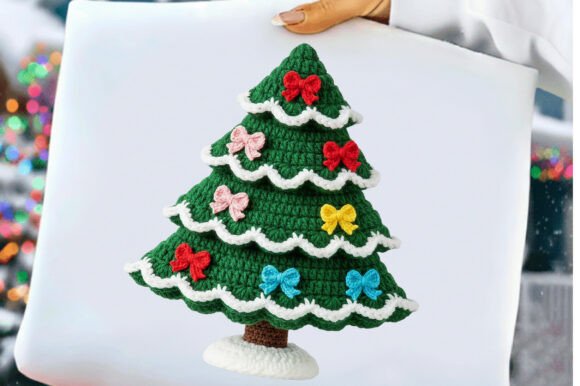
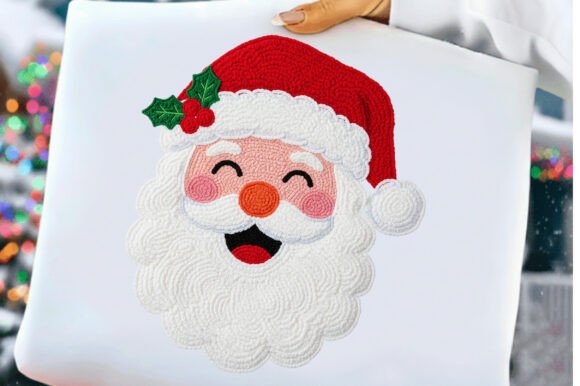
To truly evaluate the Winter Christmas Tree Yarn Crochet PNG, I imagined applying it to a real-world product: a heavy canvas tote bag intended for holiday gift-giving. This is a common item for Etsy sellers and small shop owners during the fourth quarter. The canvas provides a stable base, which is essential for designs with intricate details.
In this scenario, the design’s layout works well. The vertical orientation of the tree fits naturally on the side or center of a tote. The "crochet" aesthetic pairs beautifully with the rougher texture of canvas, enhancing the handmade product feel. Customers are increasingly drawn to items that look like they were crafted with care, and this design delivers that perception. It elevates a simple bag into a personalized gift that feels boutique-quality. However, I would advise against using this on thin, stretchy fabrics without significant stabilization, as the implied density of the yarn loops could cause distortion.
Navigating Fabric and Hoop Constraints
One of the most critical aspects of using any digital asset is knowing where it fails. While the Winter Christmas Tree Yarn Crochet PNG is versatile, it demands respect regarding hoop size and fabric choice. For smaller applications, such as a baby onesie or a pocket on a cap, the fine details of the yarn strands might get lost. If the design is scaled down too much, the stitch density required to mimic the crochet texture could become too high, leading to thread breaks or fabric tearing.
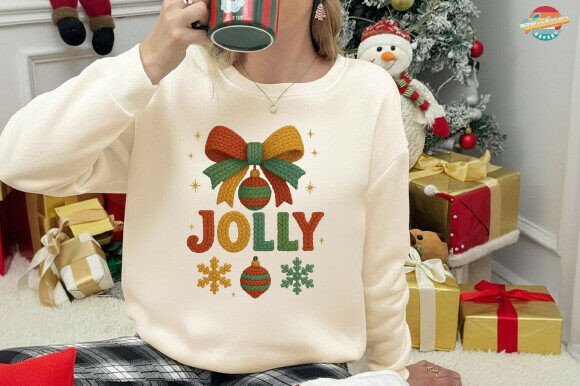
For baby embroidery or delicate garments, I recommend simplifying the design or using an applique design technique where the bulk of the tree is made from fabric rather than thread. This reduces the weight and stiffness of the finished product. On darker fabrics, the contrast becomes key. You must carefully select thread colors that pop against the background. A dark green tree on a navy sweatshirt might disappear, whereas a cream or red yarn effect would stand out vividly. Always test your color combinations on scrap fabric before committing to the final embroidery project.
Commercial Viability and Brand Consistency
For commercial embroidery professionals and craft business owners, consistency is currency. Using the Winter Christmas Tree Yarn Crochet PNG across a collection—say, on matching pillow covers, kitchen towels, and aprons—creates a cohesive brand identity. It signals to buyers that you have a curated eye for design. This consistency builds trust and encourages repeat purchases.
Moreover, this design serves as excellent content for printable mockup creation. Before stitching a single thread, you can place this PNG into digital templates to show clients how their custom apparel or embroidered patch will look. This saves time and materials, allowing you to iterate quickly. For digital product sellers, offering this as part of a bundle with other holiday-themed design assets can increase average order value. It is not just a single image; it is a component of a larger seasonal strategy.
Practical Designer Notes for Best Results
Before you integrate this design into your workflow, consider these practical steps to ensure professional results:
- Test on Scrap Fabric: Never skip this step. Check how the running stitch outlines hold up and whether the fill areas cause puckering.
- Check Thread Contrast: Ensure your thread colors provide enough distinction between the "yarn" loops and the background, especially on textured fabrics.
- Review Stitch Density: If you are digitizing this from the PNG yourself, be mindful of overlap. Too much density leads to stiff, uncomfortable sweatshirt embroidery.
- Confirm Licensing: Always verify the license terms. Can you sell finished items? Can you use it in digital products? Clarify this before listing on Etsy or other marketplaces.
- Use Proper Stabilizer: For the best finished product, match your stabilizer to your fabric. Cut-away stabilizers are often better for stretchy knits, while tear-away works for woven cottons.
The Winter Christmas Tree Yarn Crochet PNG is a strong contender for holiday collections, provided it is used with technical awareness. It bridges the gap between digital convenience and handmade charm, offering small shop product creators a way to stand out in a crowded market. By respecting the limitations of fabric and machine, you can turn this illustration into a high-value asset that delights customers and enhances your brand’s reputation for quality.