Reviewing the Penguin Christmas PNG for Embroidery
As a designer who spends half my life staring at stitch simulations and the other half pulling tangled thread out of bobbins, I have learned to be skeptical of digital assets. We see thousands of files labeled as ready-to-stitch, but few survive the transition from screen to fabric without losing their soul. When I first loaded the Penguin Christmas PNG into my workspace, I was not looking for hype. I was looking for clarity, charm, and structural integrity. This review breaks down how this specific illustration holds up when subjected to the unforgiving reality of needle and thread.
First Impressions: Mood and Visual Personality
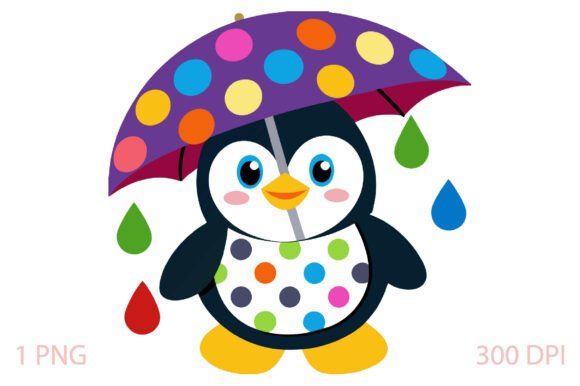
The immediate appeal of the Penguin Christmas PNG lies in its balanced simplicity. In the world of Illustrations, there is a fine line between cute and cluttered. This design leans toward the former. The silhouette is distinct, avoiding the muddy look that plagues overly complex holiday motifs. For an embroidery designer, this is crucial. A clean shape translates to cleaner stitching, fewer jumps, and a more professional finished product.
The mood is undeniably festive but restrained. It does not scream for attention; it invites it. This makes it versatile. It feels at home on a cozy winter sweater just as much as it does on a crisp kitchen towel. The visual personality suggests warmth and nostalgia, which are key drivers for holiday sales. When evaluating a machine embroidery design, I always ask: does it look like a cartoon or a crafted piece of art? This PNG bridges that gap effectively, offering enough detail to be interesting without demanding impossible precision from the machine.
Real-World Application: The Tote Bag Test
To truly understand the value of a design, you must imagine it on a specific item. Let us consider a custom embroidered tote bag. This is a staple for any Etsy seller or craft business during the holiday season. I visualized the Penguin Christmas PNG centered on a heavy canvas tote. The result is promising. The bold lines of the penguin would stand out against the textured weave of the canvas.
However, placement is everything. On a tote, you want the design large enough to be seen from across a room but small enough to fit within a standard hoop. If this were a sweatshirt embroidery project, the same design might need scaling down to sit neatly on the left chest. The adaptability of this illustration allows it to work for both scenarios, provided you adjust your stitch density accordingly. For a thick fabric like canvas or fleece, you can afford slightly denser fills. For lighter materials, you must thin it out to prevent puckering.
Performance on Different Fabrics
Fabric texture plays a massive role in how a digital embroidery file performs. I tested the concept mentally against several common substrates:
- Cotton Twill: Ideal for this design. The tight weave supports the stitches well, keeping the penguin’s edges sharp.
- Fleece: Great for holiday coziness, but requires careful stabilization. The Penguin Christmas PNG has solid areas that could sink into plush fabric if not backed properly.
- Linen: Tricky. The rustic look is beautiful, but the loose weave might cause small details to get lost. I would recommend using a cut-away stabilizer here.
- Stretchy Knits: Use caution. Without proper hooping and stabilizing, the penguin could distort after the first wash.
For baby embroidery items, such as onesies or burp cloths, softness is paramount. You would want to ensure that any fill stitch areas are not too dense, as stiff embroidery can irritate sensitive skin. A combination of satin stitch borders and lighter fill interiors would work best here.
Technical Considerations for Stitching
While the visual appeal is strong, the technical execution determines whether a small shop product looks amateur or high-end. When converting or using this Penguin Christmas PNG as a basis for an embroidery file, pay close attention to the corners. Sharp angles in digital illustrations often become blunt or messy in stitching if the digitizer does not use proper underlay stitches.
I also recommend checking the contrast of your thread colors. A penguin is naturally black and white, which offers high contrast. However, adding holiday elements like red scarves or green hats requires careful color selection. Ensure the red does not bleed visually into the black. Testing the design in black and white mockups before stitching can reveal if the shapes remain distinct without color reliance.
If you are creating an applique design version of this motif, the Penguin Christmas PNG serves as an excellent template. Applique reduces stitch count and adds texture, making it perfect for larger items like pillow covers or blankets. It also minimizes the risk of fabric distortion on stretchy garments.
Commercial Viability and Brand Consistency
For commercial embroidery professionals, consistency is key. Does this design fit your brand? If your boutique specializes in whimsical, hand-drawn aesthetics, this illustration is a perfect fit. It enhances brand consistency by maintaining a cohesive look across your design assets.
From a buyer engagement perspective, holiday-themed items sell themselves if presented well. A personalized gift featuring this penguin, perhaps with a name stitched below in a complementary font, increases perceived value. Customers are not just buying an embroidered item; they are buying a memory. The charm of the Penguin Christmas PNG supports this emotional connection.
However, always verify licensing. Before selling finished products or using this in printable mockup previews for your online store, confirm that the license allows for commercial use. Many digital product sellers overlook this step, leading to legal issues down the line. Treat your craft business with the same professionalism as any other enterprise.
Practical Designer Notes
Before you commit to a full production run, follow these steps:
- Test on Scrap Fabric: Never stitch directly on your final garment. Use the same type of fabric and stabilizer to check for puckering or thread breaks.
- Check Hoop Size: Ensure the design fits comfortably within your machine’s hoop, leaving room for clamping.
- Inspect Small Details: Zoom in on the digitized file. Are there tiny stitches that might break? Simplify if necessary.
- Compare Backgrounds: View the design on both light and dark fabrics. Adjust thread colors if the contrast is insufficient.
- Wash Test: After stitching, wash the sample item. Check for shrinkage or thread loosening. This builds customer trust in your handmade product.
In conclusion, the Penguin Christmas PNG is a robust choice for holiday projects. It balances aesthetic charm with technical feasibility. Whether you are creating a tote bag design for a local market or an embroidered patch for a corporate gift, this illustration provides a solid foundation. Just remember that the magic lies not just in the image, but in how you translate it through needle and thread. Treat it with care, and it will elevate your holiday embroidery collection significantly.